
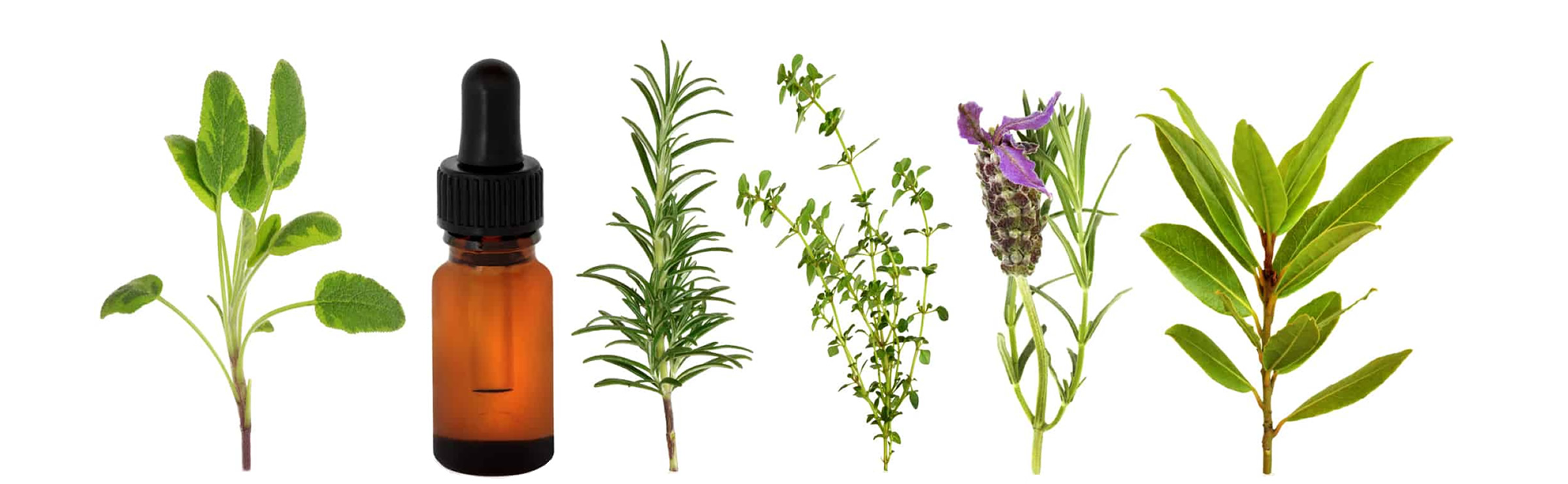
Willow Oil
Willow bark, the bark of several varieties of willow tree, has been used for centuries as a pain reliever. The active ingredient in the medicine made from willow bark is called salicin.
Some people use willow bark as an alternative to aspirin, particularly those that experience chronic headaches or back pain. Willow bark is also used in some products to aid weight loss.
It comes from the branches of 2- to 3-year-old willow trees. Willow trees and shrubs grow all over the world, except for Australia and Antarctica. The white willow and black willow are two of the most common willows that are used medicinally.
When taken in moderation, willow bark does not appear to have negative side effects. The salicin in willow bark converts to salicylic acid. Some believe that this makes it gentler on your stomach than lab-created aspirin.
The active ingredient in willow bark is salicin, but the accompanying flavonoids and plant particles might be part of what make willow bark effective.
Willow bark can also be used to relieve menstrual cramps and bring down a fever. The salicin inside willow bark works the same way as aspirin, by reducing inflammation and pain as it enters your bloodstream. Because of the anti-inflammatory properties of willow bark, it may be especially effective in combatting joint paint as well.
- Family: Herbal medicine of the willow (Salicaceae) family
- Scientific name: Willow
- Other names: Salix spp., basket willow, bay willow, beta-salicin, black willow, brittle willow, crack willow, daphne willow, populin, purple willow, salicin, salicortin, salicoylsalicin, salicyl alcohol, salicylate, salicylic acid, salicyluric acid, salidroside, saligenin, salipurposide, Salix alba, Salix daphnoides, Salix fragilis L., Salix pentandra, Salix purpurea, white willow, white willow bark, willow tree, willowprin
The bark of some species of Salix trees has been used for treating inflammatory and arthritis-related conditions since ancient times. Extracts from the following species of Salix trees have been used as sources of willow:
- Salix purpurea (purple willow)
- Salix fragilis (crack willow)
- Salix alba (white willow)
- Salix daphnoides (violet willow)
- Salix pentandra (bay willow).
- Arnica Oil
- Black Haw Essential Oil
- Cedar Essential Oil
- Chamise Oil
- Coconut oil
- Comfrey Oil
- Copaiba Oil
- Frankincense Oil
- Lavender Essential Oil
- Lemongrass Oil
- Moringa Essential Oil
- Mountain Mint Oil
- Olive Essential Oil
- Orange Essential Oil
- Palo Santo Essential Oil
- Rosemary Essential Oil
- Santa Lucia Fir Oil
- Spearmint Oil
- St. John’s Wort
- Willow Oil
- Yerba Buena Oil